Research Blends
GLOW
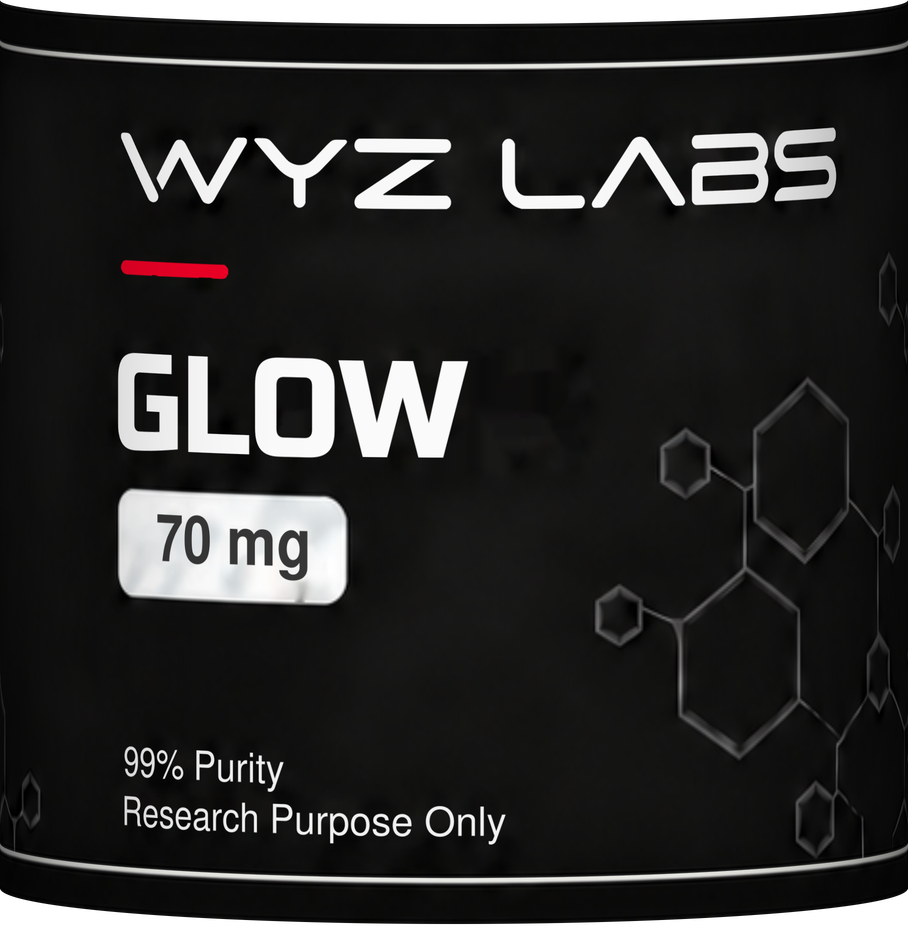
GLOW groups GHK-Cu, BPC-157 and a TB-500-listed component, bringing together separate lines of matrix-remodeling and tissue-signaling research.
$144USD / vial · 70 mg
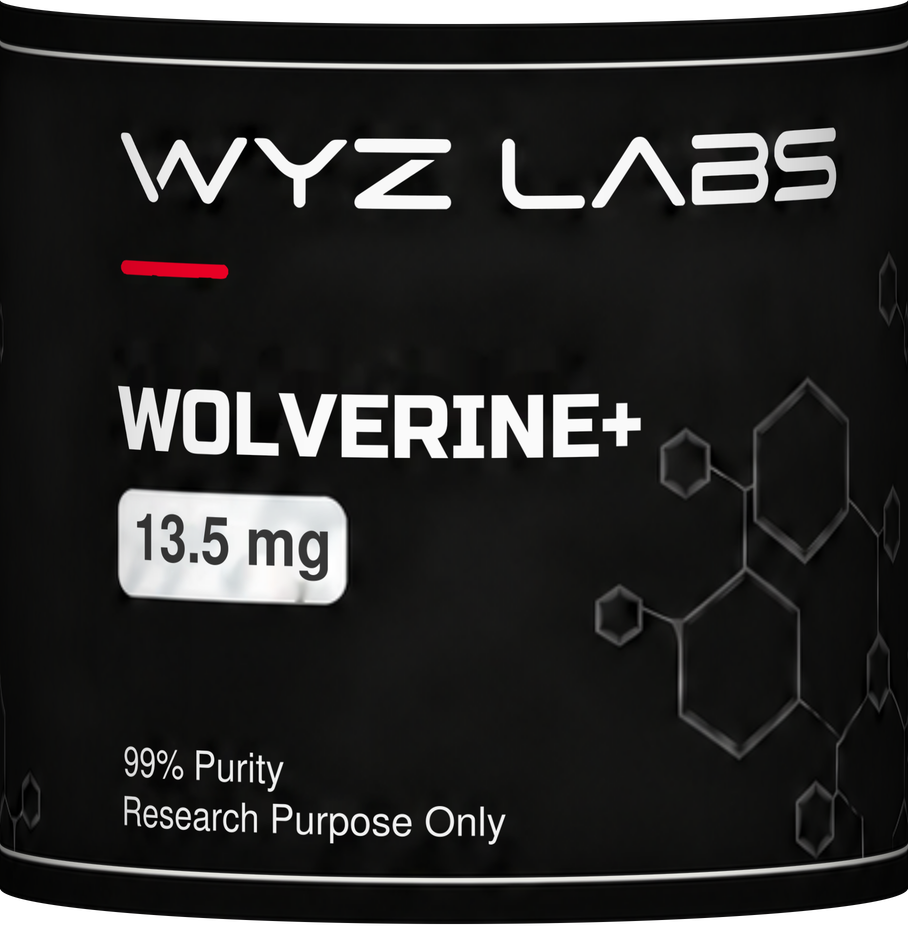
Research onlyWolverine Plus adds an MGF-listed component to BPC-157 and TB-500, bringing together distinct research lines with important sequence and replication uncertainties.
Explore the research profileSubmit an unpaid laboratory order request for manual review. Availability and any pending amounts require confirmation.
Catalog quantities are not assay results.
BPC-157, thymosin-related and IGF-1 E-peptide research blend
The Wolverine Plus listing contains BPC-157, TB-500 and MGF. MGF is a particularly ambiguous research label: endogenous IGF-1 splice-variant expression is not equivalent to an isolated synthetic E-domain peptide. The exact MGF construct and TB-500 sequence in this blend require confirmation before a sequence-specific interpretation is possible.
This reference describes the published literature. Exact supplied form and chemical specifications require product-specific documentation. The studies are linked in Selected literature.
BPC-157 work examines repair-associated cell behavior. Thymosin-related studies depend on whether the material is full-length beta-4 or a short fragment. MGF E-peptide experiments have asked whether a synthetic sequence exerts effects independently of mature IGF-1, but reported proliferative effects have not been consistently reproduced. These distinctions prevent a simple additive account of the mixture.
These links provide research context; they do not confirm the exact materials in this formulation.
Tendon-derived experimental systems provide BPC-157 readouts relevant to repair research. They do not test whether adding thymosin-related material or an E-peptide changes those outcomes. [1]
Analytical TB-500 work distinguishes a short acetylated fragment from the larger protein. That distinction is necessary before assigning literature mechanisms to this blend. [2]
Independent research did not reproduce proposed MGF-peptide proliferation effects in tested cell systems, despite responses to mature IGF-1 controls. The disagreement is part of the evidence, not a detail to omit. [3]
Study topics describe the cited models, not established benefits of this catalog material.
The selected publications concern isolated materials, analytical identity and a contested experimental hypothesis. No cited study evaluates the finished Wolverine Plus formulation. Neither endogenous MGF expression after exercise nor IGF-1 signaling alone establishes activity of the listed synthetic component.
MGF nomenclature, processing and construct details substantially affect interpretation. TB-500 identity is also pending. A total catalog mass cannot establish active component recovery or biological response, and published single-component results cannot verify mixture stability, purity or batch quality.
These papers concern individual components or related molecules. They do not validate this finished blend.
Rat tendon explants and fibroblasts; migration and stress-response endpoints.
Identification of Ac-LKKTETQ and reference synthesis; no therapeutic efficacy experiment.
Independent experiments did not reproduce proposed peptide activity across multiple models.
Literature reviewed October 2026. This is a selected research overview, not an exhaustive systematic review. Published findings do not establish the identity, purity, sterility or suitability of any WYZ batch. For laboratory research only; not for human or veterinary use.
Final product specifications and product-specific storage instructions have not been supplied. Review the original documentation and your laboratory’s procedures before obtaining or using the material.
For qualified laboratory researchers. Not for human or veterinary use. Product information is not medical advice or a recommendation for personal use.
What to look for in a COAOther research blends in the collection.
Research Blends
GLOW groups GHK-Cu, BPC-157 and a TB-500-listed component, bringing together separate lines of matrix-remodeling and tissue-signaling research.
Research Blends
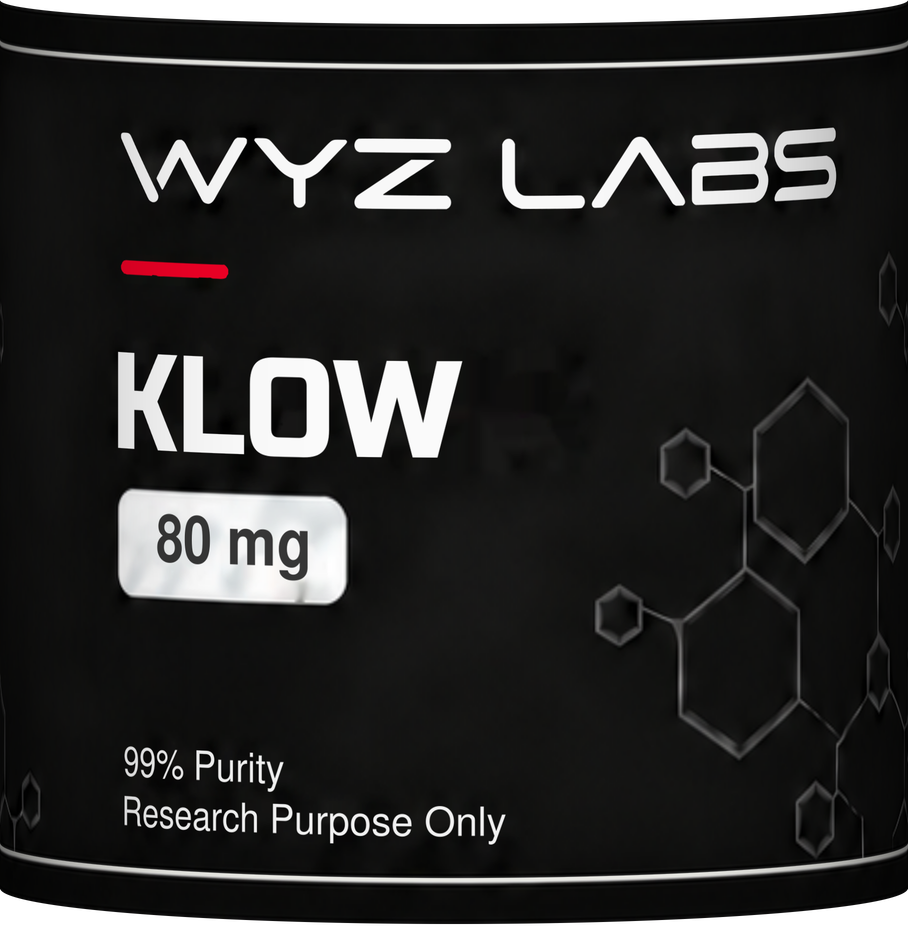
KLOW lists GHK-Cu, BPC-157, TB-500 and KPV, connecting component studies of skin-matrix remodeling, cell migration and intestinal inflammatory signaling.
Research Blends
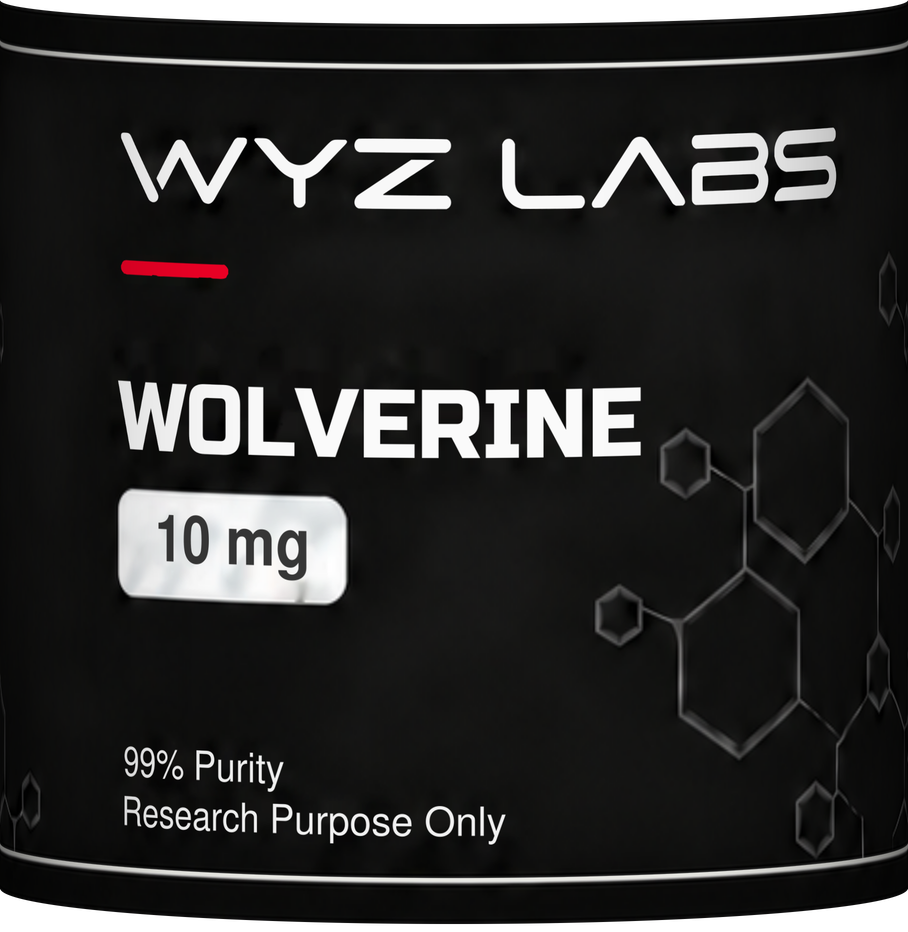
Wolverine pairs BPC-157 with a TB-500-listed component, connecting preclinical tendon and gastrointestinal research with thymosin-related identity questions. The exact TB-500 sequence still requires confirmation.