Metabolic Research
MOTS-C
MOTS-c is a mitochondrial-derived peptide studied in metabolic signaling and skeletal-muscle adaptation, with experimental interventions supported mainly by cell and animal evidence.
$140USD / vial · 40 mg
Research onlyRetatrutide is a synthetic peptide studied for coordinated activation of three metabolic hormone receptors, with human research examining glucose regulation, appetite, body weight and liver fat.
Explore the research profileSubmit an unpaid laboratory order request for manual review. Availability and any pending amounts require confirmation.
Catalog quantities are not assay results.
GLP-1, GIP and glucagon receptor agonist
Retatrutide, also designated LY3437943, combines glucagon-like peptide-1, glucose-dependent insulinotropic polypeptide and glucagon receptor activity within one molecule. Its discovery program connected receptor assays and obese-mouse experiments with early human pharmacology, providing a framework for studying how several hormonal signals interact.
This reference describes the published literature. Exact supplied form and chemical specifications require product-specific documentation. The studies are linked in Selected literature.
The three receptors influence overlapping aspects of energy and glucose regulation. In the discovery experiments, glucagon receptor signaling contributed increased energy expenditure, while GIP and GLP-1 receptor activity contributed reduced food intake. The relative contribution of each pathway in humans cannot be read directly from the mouse findings.
A 40-week phase 3 trial in 537 adults with type 2 diabetes found greater average HbA1c reductions than placebo. HbA1c reflects blood glucose over time. Separate exploratory phase 2 questionnaires found reduced reported hunger and appetite in several study groups. Those self-reports do not directly measure food intake or isolate each receptor’s contribution. [4][5]
A randomized phase 2 study involving 338 adults with obesity or overweight and associated conditions found larger average weight reductions with retatrutide than placebo. Gastrointestinal events and changes in heart rate were among the findings tracked alongside efficacy. [2]
A 98-participant substudy examined people with elevated liver fat using imaging-based measurements. Liver-fat reductions accompanied broader metabolic changes. An imaging endpoint is distinct from proving fibrosis reversal or preventing liver-related clinical events. [3]
Study topics describe the cited models, not established benefits of this catalog material.
The cited studies include randomized trials of weight and glucose endpoints, a liver-fat imaging substudy and exploratory appetite questionnaires. They support several lines of metabolic inquiry, with experimental receptor studies providing mechanistic context. Results remain specific to the participants, study formulations and measurements; changes in appetite scores are distinct from measured food intake or long-term health outcomes.
Trial averages conceal individual variation, and the cited studies alone do not resolve long-term outcomes or rare harms. Sponsor involvement should be considered when evaluating the evidence. Findings from clinical formulations do not establish the identity, quality, safety or equivalence of WYZ research materials.
Primary studies and clearly identified supporting sources. Each link opens the original record.
Discovery pharmacology, mouse metabolism and early human exposure; title abbreviated.
Randomized obesity trial with weight, tolerability and heart-rate outcomes.
Liver-fat imaging substudy; not a fibrosis-outcome trial.
Published June 2026; randomized phase 3 trial in 537 adults, measuring HbA1c, weight and adverse events; title abbreviated.
Prespecified questionnaire analyses in 275 adults; reported hunger and eating behavior, not direct food-intake measurements.
Literature reviewed October 2026. This is a selected research overview, not an exhaustive systematic review. Published findings do not establish the identity, purity, sterility or suitability of any WYZ batch. For laboratory research only; not for human or veterinary use.
Final product specifications and product-specific storage instructions have not been supplied. Review the original documentation and your laboratory’s procedures before obtaining or using the material.
For qualified laboratory researchers. Not for human or veterinary use. Product information is not medical advice or a recommendation for personal use.
What to look for in a COAOther single compounds in the collection.
Metabolic Research
MOTS-c is a mitochondrial-derived peptide studied in metabolic signaling and skeletal-muscle adaptation, with experimental interventions supported mainly by cell and animal evidence.
Dermal Research
GHK-Cu is a copper complex of glycyl-histidyl-lysine studied for its effects on extracellular-matrix production and remodeling in experimental tissue-repair systems.
Secretagogue Research
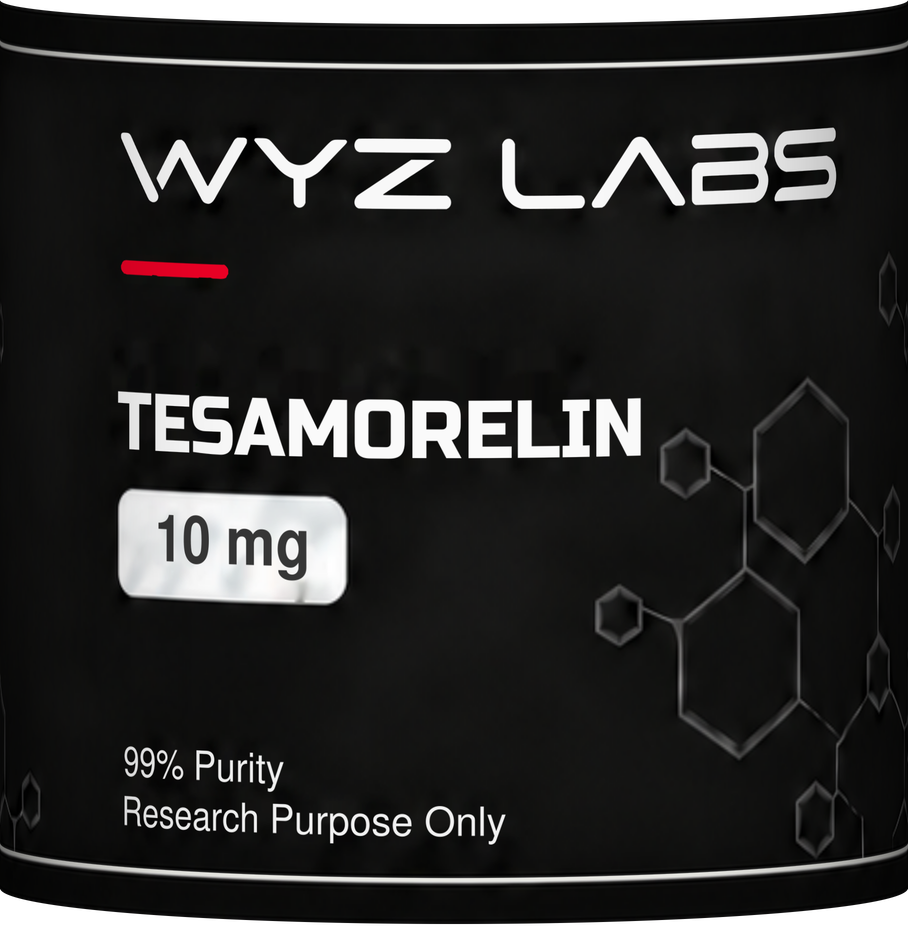
Tesamorelin is a stabilized GHRH analogue studied for changes in visceral and liver fat, principally in people with HIV-associated abdominal adiposity.